
How to Use 11 Plus Practice Papers Well
14 September 2026 · The ElevenReady Team
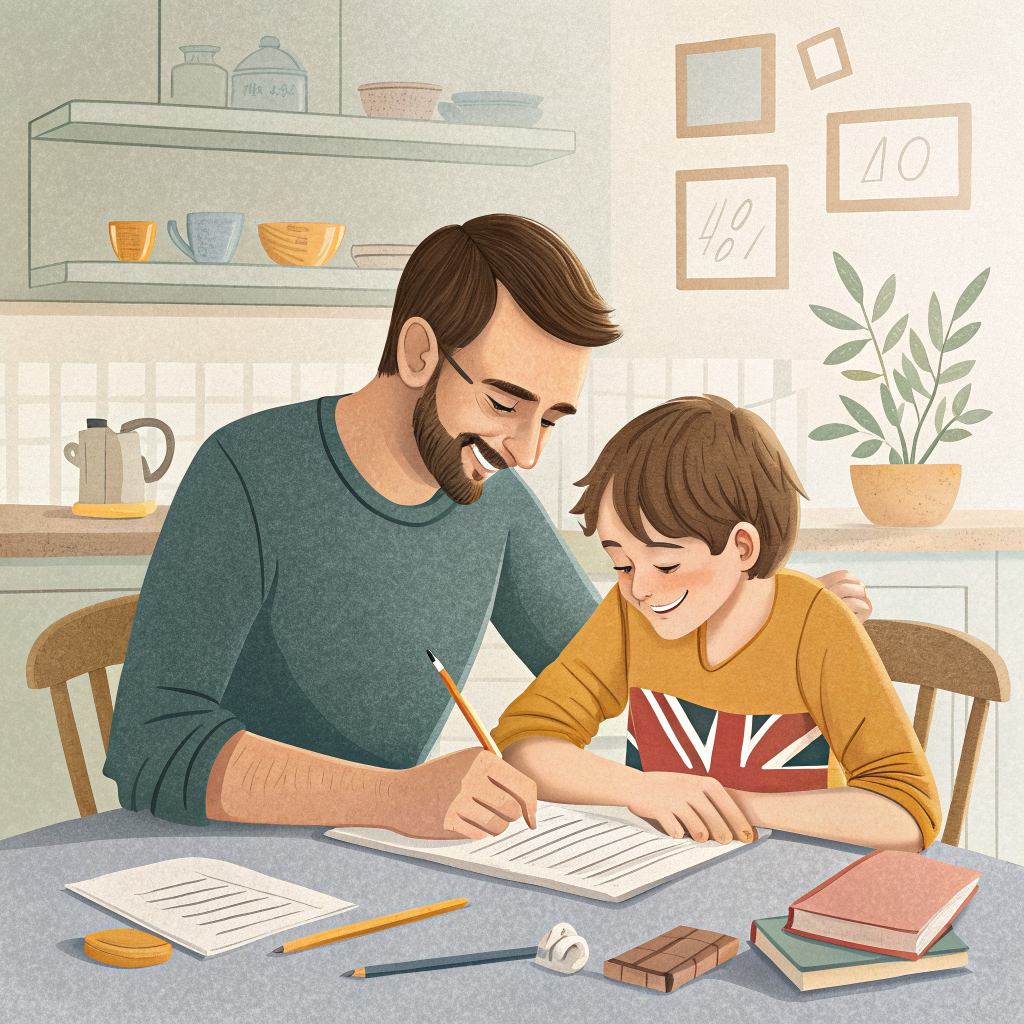
How to use 11 plus practice papers well is one of the most common worries for Year 5 parents. When should you start? How often should you use them? And what should you do when scores wobble?
The good news is that 11 plus practice papers can be genuinely helpful without turning your home into an exam hall. Used sensibly, they build familiarity, stamina and confidence. Used badly, they can create panic, arguments and a child who feels stuck.
The key is to use practice papers as one tool within a calm, thoughtful preparation routine — not as a constant judgement on whether your child is “grammar school standard”.
Start with the purpose, not the paper
Before printing anything, decide why you are using a paper. A full paper is not always the best tool.
- To check understanding: use a short section or a handful of questions from one topic.
- To build exam technique: practise timing, skipping tricky questions and checking answers.
- To build stamina: use fuller papers occasionally so your child gets used to concentrating for longer.
- To identify gaps: look at error patterns, not just the overall score.
This small shift makes a big difference. If every paper feels like a test of whether your child is “grammar school standard”, emotions run high very quickly. If a paper has one clear job, it becomes much easier to stay calm and useful.
If you are still working out what your child may face, our 11+ guides for parents are a good place to get clear on format, subjects and preparation basics.
Use 11 plus practice papers in stages
One reason practice papers cause panic is that families jump straight to full timed mocks. For many children, that is too much too soon. A steadier approach tends to work better.
- Learn the question types first. If your child has never seen a style of verbal reasoning or maths question, teach and practise that skill before expecting them to do it at speed.
- Move to short timed bursts. Try 10 to 15 minutes on a small set of questions. This helps your child experience a little time pressure without feeling swamped.
- Build up to part-papers. Complete one section under timed conditions, then mark it together.
- Use full papers occasionally. These are most useful later on, once your child understands the format well enough to benefit from the experience.
Think of full papers as a tool for sharpening, not the entire preparation plan. A child who spends months doing paper after paper can appear busy but make surprisingly little progress.
Mark for patterns, not drama
Parents often focus on the headline score. That is understandable, but it is rarely the most useful thing on the page.
Instead, ask:
- Which question types are consistently going wrong?
- Are mistakes caused by misunderstanding, rushing or running out of time?
- Does your child lose marks at the start, in the middle or near the end?
- Are careless errors appearing in topics they actually know?
A low score can mean very different things. It might point to a genuine knowledge gap. It might simply show that the paper was too hard for this stage, or that your child was tired after school. One disappointing result does not mean your child is failing. Equally, one excellent result does not mean the job is done.
A simple review routine helps. After each paper, choose no more than three follow-up actions. For example:
- revise fractions word problems
- practise skipping and returning to long verbal reasoning questions
- slow down when copying answers onto the answer sheet
That keeps feedback specific and manageable. Too many corrections at once usually lead to shutdown.
Avoid the two big traps: panic and plateau
The first trap is panic. This usually happens when papers are introduced too early, used too often, or treated as a running judgment on your child’s future.
If your child starts dreading every session, scale back. Return to shorter tasks. End on something they can do well. Confidence matters in 11+ preparation because anxious children often underperform even when they know the content.
The second trap is plateau. This is when scores stop moving because the routine never changes. Your child completes lots of papers, but the same errors keep appearing.
To break a plateau:
- Pause the paper cycle. Spend a week fixing the weakest areas directly.
- Change the task. If full papers are stale, try focused drills, mental maths, vocabulary work or timed mini-sections.
- Teach strategy explicitly. Some children need to be shown how to guess sensibly, skip, annotate or manage time.
- Check difficulty level. Papers that are much too hard can make scores look stuck when the issue is simply mismatch.
If you want a clearer structure for building skills between papers, take a look at how ElevenReady supports 11+ preparation.
Keep the atmosphere steady at home
Children pick up our tone very quickly. If every paper is followed by a tense debrief, they learn that practice equals pressure. A calmer routine works better.
- Set expectations before starting. “This one is just for timing,” or “We’re using this to spot gaps.”
- Choose the right moment. Avoid papers when your child is exhausted, hungry or already upset.
- Keep feedback brief. Praise effort and good decisions, not just marks.
- Leave space for normal life. Sport, reading, friends and downtime are not distractions from preparation; they help keep children balanced.
A practice paper should give you information, not a family crisis.
If you are comparing schools and trying to understand the wider picture, including admissions and local options, our grammar school information pages can help you plan more calmly.
How to use 11 plus practice papers well: the balanced approach
In the end, how to use 11 plus practice papers well comes down to balance. Use them to familiarise your child with the format, build timing and reveal gaps — but not as the only measure of ability.
A few well-reviewed papers will usually teach you far more than a huge pile rushed through in stress. Steady, thoughtful practice nearly always beats panic, and it is usually the best way to make 11 plus practice papers genuinely useful.